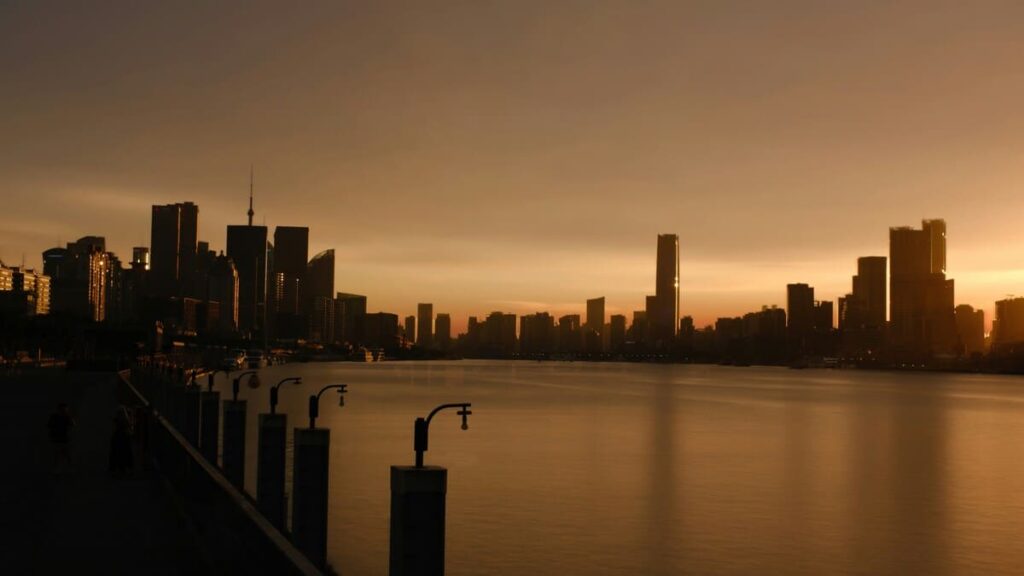




Not by the temperature, but by how you want the days to look.
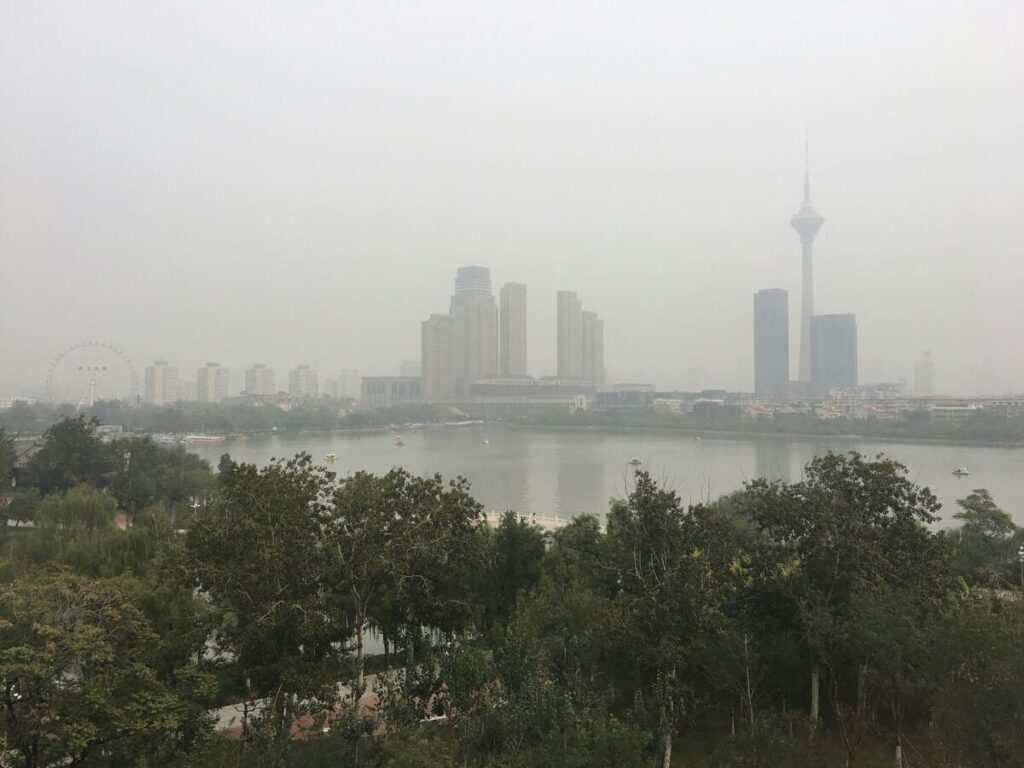
Many people choose a destination based on one criterion: „it must be warm.” But the difference between a successful vacation and one that tires you out is usually not how many degrees it is at noon, but how the day feels, from the first cup of coffee until the evening. In practice, four things matter more than temperature: wind, humidity, type of rain, and how many hours of daylight you have.
Wind is the most underrated. It can save a hot destination, because it makes the air bearable, but it can also ruin the idea of a "quiet beach", with big waves and rough water. If you want snorkeling, calm water and a lot of time in the sea, the strong wind season is not a good choice, even if the temperatures look perfect on paper. If, on the other hand, you want water sports or more "breathable" air in the tropics, the wind becomes an ally.
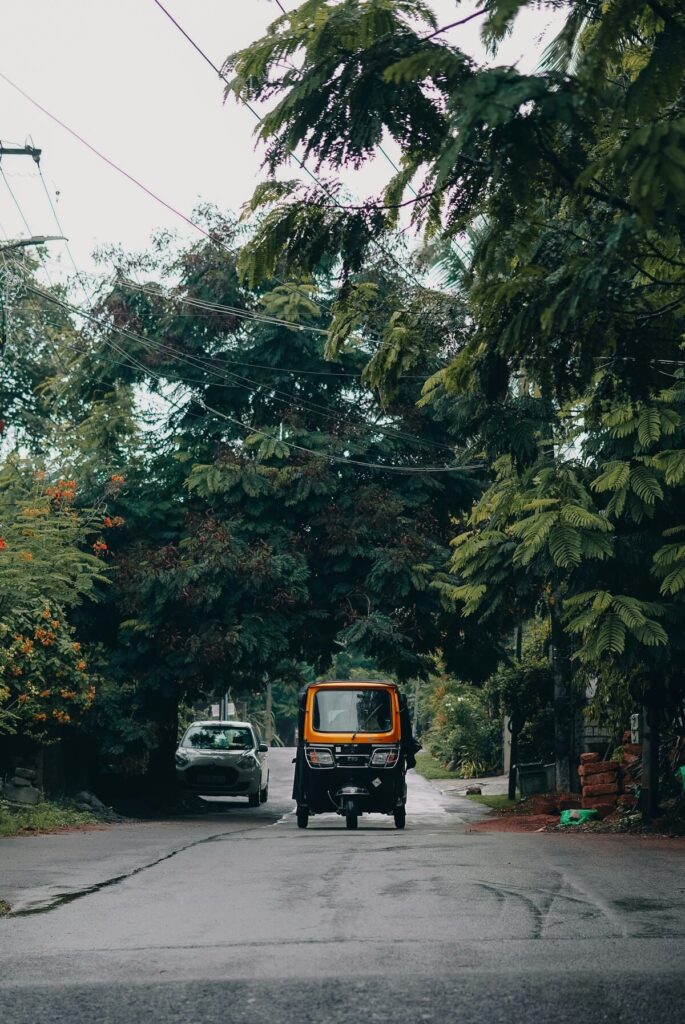
Humidity completely changes the energy of a day. 30°C can be bearable when the air is dry, but can become tiring when the humidity is high. Here it helps to simply ask yourself: do you want to walk a lot or do you want slow days, where you go out for a short time and return to the hotel? If you want to walk, explore, museums, neighborhoods, choose periods with lower humidity, even if they are 2–3 degrees less „spectacular”.
When it comes to rain, it's the form that matters, not the existence. There are places where it rains briefly, heavily, then the sun comes out and the day continues normally. And there are places where it rains for hours, with overcast skies and shifting plans. If you want a relaxed, frustration-free vacation, it's easier to manage short showers than days of gloomy weather. This is especially true on the islands.
Ultimately, daylight hours are the "luxury" you ignore until you lose it. A long day leaves you time for slow mornings, a lunch break, and a second outing in the evening, without feeling like you're running. In the low-light season, the same schedule becomes compressed and tiring.
Choosing the right season starts with a simple question: do you want "full" days or "slow" days? Then choose the conditions that support the pace: the right wind for what you want to do, the humidity you tolerate, the rain that doesn't block you, and enough light so you don't feel pressured by the clock.